
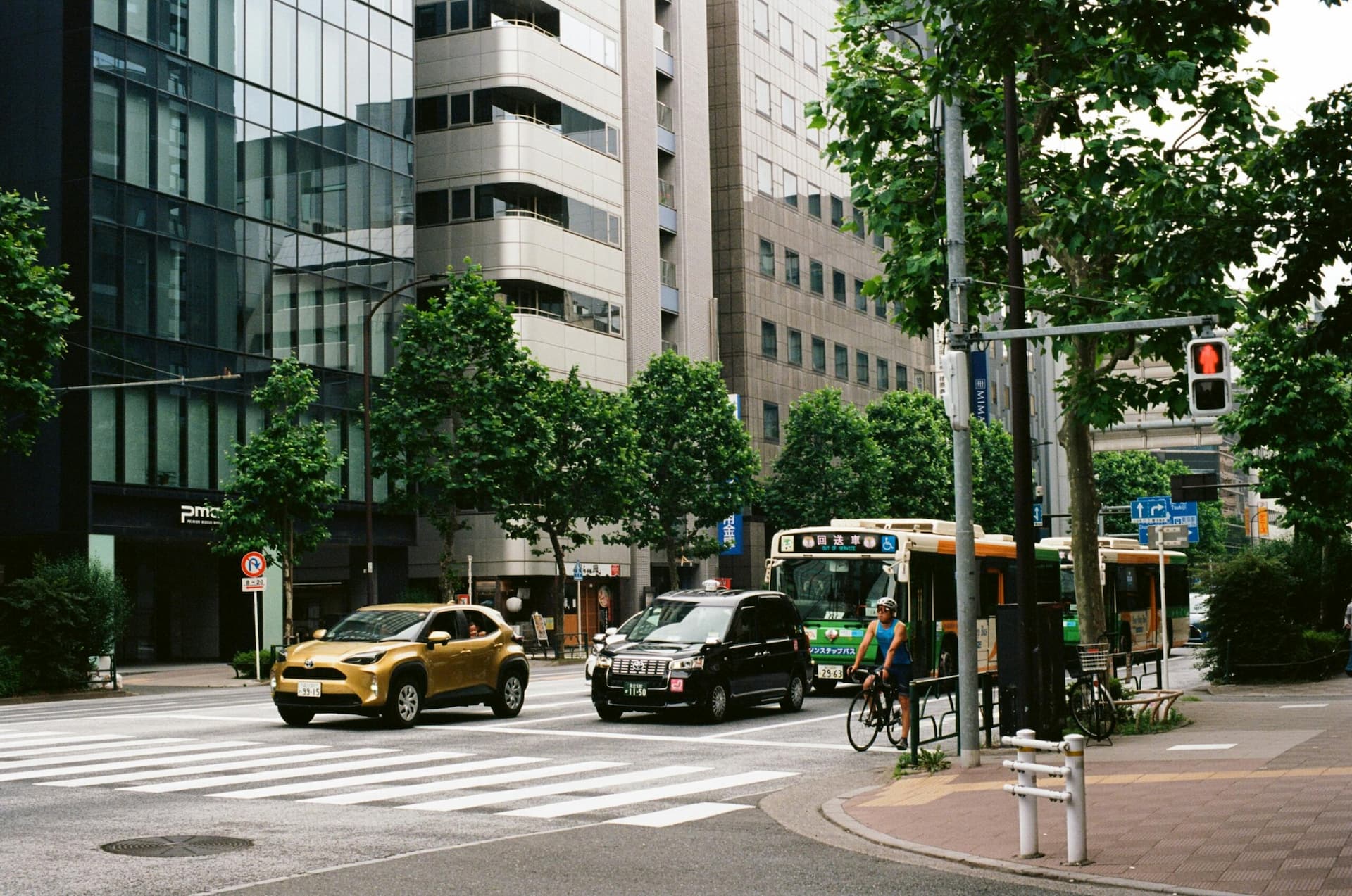
Tokyo Travel Guide: Things To Do, See And Experience
Tokyo is one of the most extraordinary cities on the planet — a place where ancient shrines sit beside neon-lit skyscrapers, where a bowl of ramen can cost $8 or $80, and where every neighbourhood feels like a different world. With a population of over 13 million in the city proper (37 million in Greater Tokyo), it is the world’s most populous metropolitan area and, by most measures, one of the most visited cities on earth.
Whether you are a first-time visitor overwhelmed by where to start, a budget backpacker looking to stretch every yen, or a luxury traveller seeking Tokyo’s finest experiences, this guide covers everything you need to know — from the top attractions and best food to transport tips, budgeting, and the ideal time to visit.
Quick Facts About Tokyo
| Currency | Japanese Yen (JPY / ¥) |
| Language | Japanese (English widely spoken in tourist areas) |
| Time Zone | JST — UTC+9 (no daylight saving) |
| Best Time to Visit | March–April (cherry blossoms), Oct–Nov (autumn foliage) |
| Visa Required? | Visa-free for 90+ countries including US, UK, EU, Australia |
| Proof of Onward Travel | Required by immigration — carry a return/onward ticket |
| Emergency Number | Police: 110 | Ambulance/Fire: 119 |
| Tipping Culture | No tipping — considered rude in Japan |
| WiFi | Pocket WiFi rental or eSIM recommended |
| Tap Water | Safe to drink everywhere |
Important: Japan requires proof of onward travel upon entry. Travellers without a confirmed return or onward ticket may be denied boarding or refused entry. If you need a fast, affordable onward ticket, visit fastonwardtickets.com.
Best Time To Visit Tokyo
Tokyo is a year-round destination, but two seasons stand above the rest: cherry blossom season in spring and autumn foliage season in fall. Both offer spectacular natural beauty, mild temperatures, and a uniquely Japanese atmosphere that you simply cannot replicate at any other time of year.
Visitor Popularity by Season
| Best Time to Visit | Visitor Popularity Score | Score | ||
| Cherry Blossom (Mar–Apr) |
|
95/100 | ||
| Autumn Leaves (Oct–Nov) |
|
90/100 | ||
| Summer Festivals (Jul–Aug) |
|
75/100 | ||
| Winter Illuminations (Dec) |
|
70/100 | ||
| Golden Week (Apr–May) |
|
65/100 |
Spring (March–May): Cherry blossom season — usually peaking between late March and mid-April — is arguably the most magical time to visit. Parks like Shinjuku Gyoen, Ueno Park, and Yoyogi Park transform into pink wonderlands. Book accommodation months in advance as this is peak season.
Autumn (October–November): Autumn foliage (koyo) rivals spring for sheer beauty. Temples and gardens are bathed in red, orange, and gold. Temperatures are cooler and comfortable for walking.
Summer (June–August): Hot, humid, and expensive during Golden Week (late April–early May). However, summer features incredible festivals including Sumida River Fireworks and the Bon Odori dance festivals. Expect crowds and temperatures above 35°C.
Winter (December–February): Tokyo’s winter is mild compared to other major capitals. December brings spectacular illuminations across the city, and January is quieter and cheaper.
Top 10 Things To Do In Tokyo
Tokyo’s sheer scale can be overwhelming — there are over 200 museums, thousands of temples and shrines, and entire neighbourhoods that could each fill a week’s itinerary. Here are the unmissable highlights:
| Attraction | Neighborhood | Entry Cost | Highlight |
| Senso-ji Temple | Asakusa | Free | Historic Buddhist temple, iconic gate |
| Shibuya Crossing | Shibuya | Free | World’s busiest pedestrian crossing |
| Shinjuku Gyoen | Shinjuku | $2 | Stunning national garden, cherry blossoms |
| teamLab Borderless | Odaiba | $32 | Immersive digital art experience |
| Tsukiji Outer Market | Tsukiji | Free | Fresh sushi, street food paradise |
| Meiji Jingu Shrine | Harajuku | Free | Serene forested Shinto shrine |
| Akihabara | Chiyoda | Free | Electronics, anime & gaming hub |
| Tokyo Tower | Minato | $12 | Iconic red tower, panoramic views |
| Harajuku Takeshita St. | Harajuku | Free | Pop culture, fashion, crepes |
| Mount Takao (Day Trip) | Hachioji | $5 | Scenic hiking, city views |
- Senso-ji Temple, Asakusa
Tokyo’s oldest and most iconic temple, Senso-ji is a must-visit even for the most jaded travellers. Built in 645 AD and dedicated to Kannon, the goddess of mercy, the temple complex is most atmospheric at dawn before the tourist crowds arrive. The approach along Nakamise-dori — a 250-metre shopping street lined with traditional craft and souvenir stalls — is an experience in itself. Entry is free, and the temple is open 24 hours.
- Shibuya Crossing
The most photographed intersection in the world, Shibuya Crossing sees up to 3,000 pedestrians cross simultaneously when the lights change. For the best view, head to the Starbucks on the second floor of Shibuya Q-Front, or treat yourself to a cocktail at one of the rooftop bars overlooking the crossing. After dark, the neon lights and energy are absolutely electric.
- teamLab Borderless
Relocated to Azabudai Hills in 2024, teamLab Borderless is one of the most unique art experiences anywhere in the world. The 10,000-square-metre space features dozens of immersive digital art installations where light, sound, and imagery flow between rooms and respond to visitor movements. Advance booking is essential — tickets sell out weeks ahead, especially on weekends.
- Shinjuku — Day and Night
Shinjuku is Tokyo at its most intense: by day, explore the tranquil Shinjuku Gyoen National Garden (especially during cherry blossom season), visit the free observation deck of the Tokyo Metropolitan Government Building, or browse Takashimaya Times Square. By night, Shinjuku transforms into one of Asia’s most legendary entertainment districts — from the buzzing izakayas of Omoide Yokocho (Memory Lane) to the vibrant bars of Kabukicho and the welcoming atmosphere of Golden Gai.
- Tsukiji Outer Market
While the famous inner wholesale market moved to Toyosu in 2018, the Tsukiji Outer Market remains one of the best food experiences in Tokyo. Arrive early (by 8am) for the freshest sushi breakfasts, grilled scallops, tamagoyaki (sweet egg omelette), and freshly shucked oysters. The narrow lanes are packed with over 400 stalls and small restaurants. Budget around $15–$25 for a full market breakfast.
Tokyo Food Guide: What To Eat And Where
Tokyo has more Michelin-starred restaurants than any other city in the world — 203 at last count. But Tokyo’s greatest culinary pleasures are often found not in fine dining rooms, but in basement food halls (depachika), ramen shops with just eight seats, and standing sushi bars where chefs have been perfecting the same dish for 30 years. Here is what to eat and where to find it:
| Dish | Where to Try | Price Range | Why It’s Special |
| Ramen | Ichiran, Fuunji | $8–$15 | Rich broth noodle soup, many regional styles |
| Sushi | Tsukiji market stalls | $10–$40 | Fresh nigiri, omakase experiences |
| Tempura | Tendon Tenya | $10–$20 | Light battered seafood & vegetables |
| Yakitori | Yurakucho alley | $15–$30 | Grilled chicken skewers, izakaya vibe |
| Conveyor Belt Sushi | Sushiro, Kura Sushi | $10–$25 | Fun, affordable, surprisingly high quality |
| Wagyu Beef | Don Quixote supermarket | $20–$80 | World-class marbled beef, worth the splurge |
| Street Crepes | Harajuku | $5–$10 | Iconic sweet/savoury filled crepes |
| Matcha Everything | Nakamura Tokichi | $6–$15 | Desserts, lattes, soft-serve, parfaits |
Pro tip: The basement food halls (depachika) of major department stores like Isetan in Shinjuku or Mitsukoshi in Ginza are extraordinary — rows of perfectly crafted bentos, wagashi sweets, and regional delicacies that rival any restaurant in quality.
Getting Around Tokyo: Transport Guide
Tokyo has one of the world’s finest public transport systems — punctual, clean, comprehensive, and (once you understand it) remarkably easy to navigate. The network combines JR lines, Tokyo Metro, Toei subway, private railways, and buses to cover virtually every corner of the city.
| Option | Cost | Coverage | Best For |
| Suica / Pasmo Card | IC card (tap & go) | All trains, metro, buses | Most convenient option |
| Tokyo Metro Day Pass | ¥600 (~$4) | All Tokyo Metro lines | Best for 5+ metro rides/day |
| JR Pass | From $29/day | JR lines, Shinkansen | Best for day trips outside Tokyo |
| IC Card Bus | Per journey | All city buses | Fixed flat fare within 23 wards |
| Taxi / Uber | Base ¥500 (~$3.50) | Door-to-door | Expensive but convenient late-night |
| Bicycle Rental | ¥1,500/day (~$10) | City streets, parks | Great for Yanaka, Harajuku areas |
The single best advice for navigating Tokyo: get a Suica or Pasmo IC card immediately on arrival (available from machines at Narita or Haneda airports). Load it with ¥3,000–¥5,000, tap in and out at every gate, and you will never need to buy individual tickets. The card works on virtually all trains, metro lines, buses, and even at many convenience stores and vending machines.
Tokyo Travel Budget: How Much Does It Cost?
Tokyo has a reputation for being expensive, but it is one of the most rewarding cities in the world for budget travellers. Some of Tokyo’s best experiences — temples, street food, people-watching at Shibuya, exploring Harajuku — cost little or nothing. Here is a realistic daily budget breakdown:
| Traveler Type | Daily Budget (USD) | What’s Included |
| Budget Backpacker | $40–$70/day | Hostel dorm, street food, public transport |
| Mid-Range Traveler | $100–$180/day | 3-star hotel, mix of dining, day trips |
| Comfort Traveler | $200–$350/day | 4-star hotel, restaurants, experiences |
| Luxury Traveler | $500+/day | 5-star hotel, fine dining, private tours |
Budget hack: Japan’s convenience stores (konbini) — 7-Eleven, Lawson, and FamilyMart — serve surprisingly high-quality hot food, fresh sandwiches, onigiri, and ready meals at $2–$5 each. Many Tokyo locals eat konbini meals regularly. It is not a compromise; it is part of the authentic experience.
5-Day Tokyo Itinerary
Five days is the minimum to scratch the surface of Tokyo, though even a month would not exhaust it. Here is a framework that balances the iconic highlights with off-the-beaten-path discoveries:
| Day | Theme | Suggested Itinerary |
| Day 1 | Asakusa & East Tokyo | Senso-ji Temple → Nakamise Street → Akihabara → Ueno Park → Izakaya dinner |
| Day 2 | Shibuya & Harajuku | Meiji Jingu → Harajuku Takeshita St → Omotesando → Shibuya Crossing → Shinjuku nightlife |
| Day 3 | Modern & Waterfront Tokyo | teamLab Borderless → Odaiba → Tsukiji Market → Tokyo Tower → Roppongi art galleries |
| Day 4 | Day Trip | Mount Fuji or Nikko or Kamakura (all reachable in 1–2 hrs by train) |
| Day 5 | Hidden Tokyo | Yanaka old town → Koenji vintage shops → Shimokitazawa indie cafes & live music |
Essential Tokyo Travel Tips
- Carry cash: Despite being a tech-forward city, Japan remains heavily cash-based. Many smaller restaurants, shrines, and local shops do not accept cards. Always carry ¥5,000–¥10,000 in cash.
- Download Google Maps offline: Tokyo’s train system is complex. Download the Tokyo Metro map offline and use Google Maps for navigation — it handles train routing perfectly.
- Learn two phrases: ‘Sumimasen’ (excuse me / sorry) and ‘Arigatou gozaimasu’ (thank you very much) will take you a long way. Tokyo locals are incredibly helpful to polite tourists.
- Book popular experiences in advance: teamLab Borderless, top sushi omakase restaurants, and popular day trips to Hakone or Nikko should be reserved weeks ahead, especially during cherry blossom season.
- Proof of onward travel: Japan’s immigration officers may ask to see your return or onward flight. Always carry booking confirmation, or use fastonwardtickets.com to get a fast onward ticket before you fly.
- Respect temple etiquette: Remove shoes when indicated, do not photograph ceremonies without permission, and follow the hand-washing ritual (temizuya) before entering shrine buildings.
- 7-Eleven ATMs accept foreign cards: These are the most reliable ATMs for international visitors. Japan Post Bank ATMs are also reliable.
- Get a pocket WiFi or eSIM: Staying connected is easy and affordable. Rent a pocket WiFi device at the airport or purchase a travel eSIM before departure for around $15–$25 per week.
Final Thoughts: Why Tokyo Belongs On Every Traveller’s List
Tokyo defies easy description. It is simultaneously one of the world’s most modern and most traditional cities — a place where a thousand-year-old shrine shares a neighbourhood with a 60-storey tower, where cutting-edge fashion sits alongside ancient craft, and where the world’s best food can be found in both a Michelin-starred dining room and a basement ramen shop that seats six.
Whether you spend five days or five weeks in Tokyo, you will leave with the sensation that you have only just begun to understand it — and a powerful urge to return. Pack light, carry cash, get a Suica card, and let Tokyo surprise you.
Planning your trip to Tokyo? Get your proof of onward travel fast at fastonwardtickets.com